Showing posts with label Duff Thoughts. Show all posts

Monday, March 11, 2013

Adventures in Ska Crowd Funding: The Scotch Bonnets!


Over the weekend, the postman (remember those nice men and women that bring letters and packages to your home that some people want to put out of business?) delivered a manila envelope of goodies to me from Baltimore's top ska/rocksteady/soul act The Scotch Bonnets. You see, last summer, I had supported the band's Kickstarter campaign and it's now time for me (and all of their other backers) to enjoy the fruits of our collective investment in the group: their new, debut Live Ya Life CD, a patch, a badge, a poster, and a nice thank you note from Lady Hatchet, to boot!

The deal is that 65 of us had some faith in the band, put up a little bit of cash, and all of us now have a terrific album to enjoy and/or some cool merch--and in the process, The Scotch Bonnets debut album can now be sold at shows, so they can earn a bit more money to keep themselves going and making the music we love. Plus the album helps spread the word about the band--and can help lead them to even bigger and better things.

A good way to think about all of these ska crowd funding projects (apart from our selfish motives--namely that we get a CD or vinyl or merch out of it all!) is that they help give bands a leg up. In a way, we the fans are replacing all of those pre-filesharing indie labels that would take big risks on new and unknown bands by fronting the cash to put out their albums; and instead seeing monetary profits that might come if a band takes off, our reward is that we're helping these bands to continue to be in position to keep on creating the music we love (and since making music is--in most instances--a money-losing enterprise, we have to do what we can to support their labor of musical love, too).

+ + + +

I'm happy to report that I'll be receiving a few more crowd funding-related packages down the line. The  following projects have reached their funding goals, but there are still a few days left to get in on the action...

Sammy Kay and The East Los 3's Love Letters CD/LP 

Hot on the heels of Sammy Kay's debut EP (read The Duff Guide to Ska review here), comes this project to fund his new 15-track album of bluesy, soulful, rocksteady and ska cuts titled Love Letters. Levels of support range from $8 for digital copies of Love Letters and his recently released EP, to $12 for the CD or $15 for black wax, to $30 for both CD and colored vinyl of the album (plus stickers and pins), and higher. Pledge your support here.

Right now, the $3,200 goal has been reached (and then some), with 3 more days to go.

+ + + +

Urban Pirate Booty Split 7" Series, Volumes 1-5

Urban Pirate Records is hoping to put out a series of split singles from some of the finest ska and early reggae artists playing out right now on the US scene.  What's cool is that you can order singles a la carte (for $7 each) or go for the whole enchilada ($30 for all five singles); higher amounts score you test pressings and other goodies. Pledge your support here.

Volume 1: Crazy Baldhead/Sammy Kay
Volume 2: Dave Hillyard and the Rocksteady 7/Green Room Rockers
Volume 3: Bad Cards "Cap Fit" b/w Reggay Lords "Give It Me My Way" (gold vinyl)
Volume 4: Jesse Wagner "Eye of the Storm" b/w Vic Ruggiero "I Know a Girl" (gold vinyl)
Volume 5: King Django/The Snails

To date, the Urban Pirate Booty Split single series has raised a little over the $5k needed to fund this project, with 4 more days left.

Saturday, February 11, 2012

The Selecter in Texas, 1980

I always find it a bit weird when I'm reading about a particular topic and then--seemingly randomly--I come across all of this additional info about the same thing, even though I'm not actively seeking it out.

As I mentioned a few posts ago, I'm reading Garry Bushell's "Dance Craze: Rude Boys on the Road! How The Specials, Madness, The Selecter & Co. Conquered the World" (which you can pick up in the USA from Jump Up Records) on the subway, to and from work.

One of the more interesting chapters is about The Selecter's 1980 USA tour--particularly their swing through Texas, where they stop for a picture in front of the Southfork Ranch, which was the setting for the TV nighttime soap "Dallas," and a truck full of pissed-off "good ole boys" mumbling the "N-word" showed up in response to the band's non-white presence in the area. (Yet another low moment in the long and pathetic history of race relations in the history of the U.S.) Anyway, on my FB page today I came across a photo of that exact moment (via New Wave/post-punk site Slicing Up Eyeballs) taken by the band's manager at the time, Juliet Wills (who is now Billy Bragg's partner).

Check out the photos (which include some shots of the band in LA for their gig at the Whisky; making the "Missing Words" video; and on the Old Grey Whistle Test) here.

Wednesday, September 7, 2011

Music Junkies

From a recent article in The New York Times:
"About 95 percent of music downloads in 2010 were unlicensed and illegal, with no money flowing back to artists, songwriters or record producers, according to Alex Jacob, a spokesman for the International Federation of the Phonographic Industry."
I have to admit to being completely bummed out after I came across that paragraph in The Times. How can bands and labels--particularly those on the underground scene--ever hope to survive (let alone thrive) if they can't expect to even cover their expenses? Why should they ever bother to go through the huge effort to put out recorded music if they're just going to be ripped off by the "fans"? (As many of you know, I'm old school and believe that people should actually purchase recorded music--and have written extensively about the evils of illegal file sharing here, here, and here.)

But then I came across the picture below today and it makes me think that everything will be alright! The music fanatics like Jason Lawless (and many others) will always find a way to keep things going!


This photo is from the pressing plant where the first Moondust Records release is being readied from the late and absolutely great Laurel Aitken: "Reggae 69" b/w "Big Fight in Hell Stadium." I'm a member of Reggae 69 Fan Club, which funded this project through Kickstarter--yes, a whole bunch of us ska and reggae fanatics got together and put up our money in order to make a whole series of 7" releases happen. So, I'll be receiving one of these sweet babies in the mail soon! (Get in touch with Jason to find out how you can join, too!)

Perhaps this is really the only feasible way forward for the independent side of the music industry--the new (and somewhat awkward and unorthodox) model for selling recorded music: the fans have to become investors in a project before it can be put into production and fully realized. It may be the only means for recorded music to re-acquire value and significance in the digital era. Collectively, we have to pay in advance, in terms of both cold hard cash and an unshakable trust that the band will make the most of our faith in them and create some amazing music. It's sort of a Darwinian way approach to making records and CDs--only the strong will survive to reproduce. But I suppose it's much more preferable than the slow slide into oblivion. (Really, the future is now: I've already helped to sponsor Portland, OR's new ska/rocksteady act The Sentiments in their effort to record and release two 7" singles...)

Is this the only way back from the brink for all of us?

Wednesday, August 24, 2011

Babylon's Burning

It's never good sign when music or books are burned or banned by a government or mob of citizens, whether as a means of censorship (purging libraries of supposedly communist books during the Cold War 1950s), an act of cultural or political oppression (think of the Nazis burning thousands of "un-German" books, many by Jewish authors, in a twisted effort to "cleanse" their culture of anything that wasn't in line with their hideous ideology), or a quasi-racist "entertainment" stunt (see Disco Demolition Night). It's a societal barometer warning to anyone paying attention that things have gone completely rotten.

While the politicians and pundits brawl over assigning blame on the recent UK riots/social unrest (I happen to believe that it had a lot to do with Cameron's deep cuts to the social safety net--but other complicated and seemingly contradictory factors were in play, too), there is no denying that the extraordinary fury unleashed was the result of something terrible affecting major and disparate portions of British society.

Bucket of The Toasters happened to take the photo above of the smoke pouring out of the SONY warehouse in Enfield, North London from his tour van--he said it all reminded him of the Brixton and Toxteth riots in '78 and '79 and that its roots were the same: "conservative 'austerity' cuts on everything from benefits to youth centres and all social services on top of massive unemployment and deprivation on an epic scale; those kids have nothing to hold on to and all the pols can do is draft in more cops; no effort whatsoever to tackle the underlying problems of chronic unemployment, grinding poverty and alienation."

The burning of the SONY warehouse that contained over 3 million CDs and LPs from 150+ independent labels that were distributed by PIAS Group--reggae re-issue label Soul Jazz Records among them--was an event that stood out in stark contrast as it didn't seem like a re-run of the pitched running riots from the "Ghost Town" Thatcher years (and is probably why the SONY warehouse arson received an extraordinary amount of press coverage). Did one of the rioters see the SONY sign and think they were striking a blow against the corporate overlords or did they simply like to torch things? Was this the pop-culture equivalent of the local stores that the rioters looted and burned in their own neighborhoods? Was it just another expression of the pent-up No Future hopelessness, frustration, and ultimately self-destructive rage that consumes absolutely everything in its path? (Days later, The New York Times reported that three teens were arrested in connection with the fire, though no motive was reported in the Times or any other article I found on the web.)

This particular act of arson seemed particularly shocking and nihilistic to the ska musicians and fans that I'm connected with on Facebook. For so many of us, music gives our lives joy, meaning, purpose--even a way for some to eke out a living. (Songs, even whole albums, become life-long "friends," as King Hammond puts it in "Dave and Ansel.") Sure, maybe one could kind of understand looting a music depot in order to augment one's collection or to sell the CDs on the corner or through eBay. That would at least acknowledge that the music had value and significance. But the music meant nothing to the rioters. Everything was completely destroyed. To what end?

That's what's most disturbing about it all. Why?

Friday, August 5, 2011

The Curse of The Selecter?

Like their fellow 2 Tone compatriots The Specials and The Beat, The Selecter have always had a knack for being in touch with the mood of the people and the temper of the times. So it should come as no surprise that The Selecter's astute observations of political machinations and human behavior should lead them to write and record many instantly relevant songs. But the dark side of this gift has been that several of these seemingly prescient tracks have come uncomfortably close to some very ugly real life events:

1) The first episode occurred back in 1981 with the release of the "Celebrate the Bullet" single (read The Duff Guide to Ska appraisal of the song and album of the same name here). While its lyrics do not explicitly refer to political assassination, a gunman's bullet gave it a tragic new context and meaning. "Celebrate the Bullet" was issued just before John Hinckley, Jr. shot President Reagan (and not for any political reason--in his mentally ill mind, he thought this would impress Jodie Foster, whom he was obsessed with; Hinckley identified with/imagined himself to be Travis Bickle from Taxi Driver...and Foster played the child prostitute in the film that Bickle saves), so the overly cautious BBC banned the song (they didn't want to appear to be condoning this act of violence) and it disappeared without charting.

However, if the powers that be at the BBC had actually listened to the lyrics, they would have discovered that Pauline Black urges those burning to avenge a death not to act on this impulse: "Put your finger on the trigger/But you don't have to pull it/'Cos you know it won't bring them/Back to you." "Celebrate the Bullet" is anti-revenge, anti-violence, and anti-gun. But the Beeb was more worried about offending the sensibilities of those who couldn't be bothered to examine the song beyond its bitterly ironic title. This setback, along with 2 Tone's flame-out, the fact that the Celebrate the Bullet album was comprised of mid-tempo ska and reggae (as opposed to the breakneck-speed ska of "Too Much Pressure" or "Three Minute Hero" that many expected of them), and that it reflected a very bleak worldview, doomed the album to the cut-out bins (even though it's a fantastic record that should be in every 2 Tone fan's collection). But this album perfectly captured the awful Cold War paranoia of the early eighties, when it really felt like everything was on the verge of disintegrating into chaos--and would all end in world-wide nuclear annihilation.

2) This past May, the latest incarnation of The Selecter headed by Pauline and Gaps Hendrickson released a fantastic bluebeat version of Woody Guthrie's anti-racist broadside "All You Fascists," which they retitled "Big in the Body, Small in the Mind" (read the Duff Guide to Ska review here), as the first single off their upcoming album, Made in Britain. This cover was a very conscious choice--as at it honors and re-affirms 2 Tone's message of racial harmony and serves as a defiant response to the terrible rise of anti-multiculturalism (in the guise of anti-Muslim and anti-immigrant political parties and hate groups) in the UK and Europe. As if on cue, in June the white, Christian terrorist Anders Behring Breivik horrifyingly guns down 68 liberal Norwegian teenagers (and detonates a Timothy McVeigh-like fertilizer bomb that kills 8 people in a government center in Oslo) in his "crusade" against multiculturalism and "Muslim domination" of the West (disturbingly, Breivik has been greatly influenced by professional Islamophobes in the US). While the band's timeliness in addressing the mainstreaming of anti-immigrant, anti-Muslim, and racist thought and policies is spot on, I doubt they ever could have imagined that all of this dumb hatred and fear would come to this.

3) Recorded months before Amy Winehouse's sad and lonely death--and, in addition to the fact that it's a brilliant song, probably chosen for its title that fits in kind of a synergistic way with Pauline's last name, the title of her new autobiography "Black by Design," and perhaps even pride in her skin color--The Selecter issued the excellent "Back to Black" cover (reviewed by the Duff Guide to Ska here) on July 23, 2011 as the flip side of the "Big in the Body, Small in the Mind" 7" vinyl single (though it has been for sale at Selecter gigs during the preceding weeks). In yet another horrible coincidence, this turns out to be the same day Winehouse is discovered dead in her bed (and it's sort of creepy/disturbing to note that this song is about a woman who believes she has nothing to live for after her boyfriend leaves her for a former girlfriend). So out of respect for Winehouse and not to appear to be ghoulishly capitalizing upon her death, The Selecter out-and-out suspend the planned digital release of "Back to Black," which was to take place on July 31, 2011, and distribute a press release expressing sympathy for Amy Winehouse's family, as well as the relatives of those killed in the terrorist attacks in Norway. (The track will eventually appear on CD and LP copies of The Selecter's Made in Britain, due out in September 2011.)

The Selecter were kind enough to send a few preview tracks off of their tremendous new album--several of which ("My England" and "The Time of Our Lives," in particular) offer more pointed social commentary for all of our consideration. I'll be writing about these soon--and am hoping that, in the meantime, the world doesn't feel the need to prove them right once again.

+ + + +

Update: read part 4 of The Curse of The Selecter here!

+ + + +

Thursday, March 17, 2011

Erin Go Ska! "Gaelic Ska" with The Trojans!

I saw Gaz Mayall at the Y this morning. Okay, he wasn't exactly at the gym on the elliptical machine next to me. As I was hauling my sorry self over to the treadmills for a run, I spotted The Beat's "Save it For Later" video on one of the TV monitors (they pump in a 80s music video station as one of our viewing options). The sharp-eyed will know that Gaz appears several times in The Beat video as one of the customers in the night spot where the band is performing. And since it is St. Patrick's Day in one of the most Irish cities in the world (and my wife's family is Irish and our kids are obviously half Irish), it got me thinking that Gaz and his stellar band The Trojans recorded a number of Celtic ska tracks (he released a CD of them, Celtic Ska, on Gaz's Rockin' Records), including the great "Gaelic Ska" from The Trojan's debut album, Ala-Ska, which was recorded way back in 1987. Here's that video for your viewing pleasure...


Happy St. Paddy's Day!

Go dance a jig or something!

Wednesday, February 23, 2011

Rocking Steady Skazine

As with many printed publications, the skazines that connected and informed the fans during much of the late 80s and throughout the 90s were decimated by the rise of the internet [insert ominous sounding music here]. And, really, why should the skazine editors go to the trouble and expense of laying out, printing / copying, and distributing a tangible publication (and no doubt lose money doing so), when it suddenly became way easier and cheaper to set up a website or a blog to serve the same function and potentially reach ska fans around the globe? (Having said that, I miss them--will there ever be a new edition of Hoi Polloi again?!--and I greedily treasure the ones that I have in my possession, particularly my old copies of "Zoot!")

Unfortunately, there is the downside to every technological development, and for our little discussion today, that is music file sharing (read my general thoughts on why music file sharing is flat-out wrong and killing the music we love here and here). In regards to the subject of skazines, it seems like far too many ska blogs lazily exist simply to post links to file sharing sites where people can illegally download ska and reggae albums for free. They don't bother to actually review the music, interview the bands, or promote their gigs (and if you want to make it so people can hear a band's music, why not use a free application like Div Share, so fans can stream a song, but not download it?).

Apart from Kevin Flowerdew's awesome "Do the Dog Skazine," few current skazines come to mind. But now we have the ambitious Rocking Steady Skazine out of Germany, which is both a website and e-zine. The Rocking Steady e-zine is already up to issue #2 (find the PDF here)--featuring nice interviews with Vin Gordon, Rico Rodriguez, and Mr. T-bone (do you sense a theme here?); a focus on still active 80s/90s-era bands like Mr. Review, The Busters, and Bluekilla; an article on ska graphic designer Jada Leblanc--and a slew of record reviews (Roy Ellis, Hotknives, Resignators, Mr. T-Bone, and many more). While, at times, it seems like some things are lost in translation (the results of Google Translate often make for rough reading), there are many great things going on here. Do yourself a favor--bookmark Rocking Steady and visit it frequently!

Tuesday, November 30, 2010

Ska Quote of the Day

This little nugget comes from the Louisiana Music and Culture Offbeat's review of The Local Skank's album Collect All Five:
"ska—the music the most white people feel confident dancing to"
Love it!

Random Mainstream Media Ska Reference

I've always been a huge fan of David Rees' "Get Your War On" strip, which started right after Dubya attacked Afghanistan in the wake of 9/11. Always highly critical of the Bush Administration's so-called "War on Terror," Rees ended the strip when Bush finally left the White House. However, since the Afghanistan war rages on two years into the Obama Administration, he's back with some sharp commentary. These two panels are from a great two-page spread in this week's New York Magazine. The ska references are kind of jarring and remind me of the 3rd wave's cheesy, cringe-inducing tendency to wedge 'ska' into words and phrases where it simply didn't belong (Skanksgiving, anyone?), which made people outside of the scene think all the less of us.

+ + + +

Now for the overtly political segment of this post.

It's surreal to see Rees' strip all these years later and to be reminded of the nightmarish things that went down while the Bush Administration was at the helm (incredibly horrific things like all the people murdered on 9/11--and how the attack might have been averted; Bush, Cheney et al lying that Iraq was behind 9/11 and/or had weapons of mass destruction in order to justify the invasion of that country; all the people on both sides that didn't have to be maimed or die as a result--particularly Iraqi civilians who didn't sign up for combat; the billions upon billions Bush borrowed to finance two wars while simultaneously giving everyone tax cuts--where were the GOP deficit hawks and tea party types during all this extraordinary accumulation of debt? Oh, that's right, a white man was doing it!; the torture--and waterboarding is torture--and indefinite imprisoning of suspected terrorists; the policy of extraordinary rendition; the "unitary executive" and use of Presidential signing statements; the illegal wiretapping of Americans' e-mails and phone calls--and the Bush Administration's deliberate misinterpretation and shredding of our nation's laws; the color-coded fear weekends when everyone bought duct tape and plastic sheeting to keep out the dirty bomb/bio-chemical attack that never came; the fact that Bin Laden escaped Tora Bora and is still at large; and now Bush's blatant attempt to re-write history).

+ + + +

Since I've gotten all that out of my system, it's time to go back to writing reviews of new ska releases and putting together The Duff Guide to Ska's "Best of 2010" list!

Tuesday, November 9, 2010

Jamaica Farewell

There is a fascinating article in the Jamaica Observer ("J'can Lock-Out - Foreigners Dominating Jamaican Music Form") lamenting how dub and ska music have been abandoned in the land of their birth, while these genres have taken root and are flourishing (to some degree) in Europe and the U.S. (and I would add Japan and Latin America). The writer refers to the dominance of non-Jamaican acts on the iTunes reggae charts as proof of this development.

Since we're concerned with all things ska at The Duff Guide to Ska, here's a pertinent passage from the article:
Dub music is one form which Jamaica has all but forgotten. Stakeholders have also lamented on the absence of Jamaican ska bands to profit and influence modern ska. There are currently hundreds of ska bands internationally but the musical form is dormant in the land of its birth. Up to Saturday ska music was charting in one territory on iTunes reggae charts via a compilation album entitled Ska Mania. Ska, however, is more popular in the rock than reggae categories.
They do note, however, that Jamaica's Jolly Boys have staged an improbable comeback for mento:
Surprisingly, mento a local genre which waned in popularity in the '50s received some international acclaim last month when The Jolly Boys, a mento band (produced and managed by Geejam based in Portland Jamaica), beat all living reggae and dancehall artistes to top the international reggae charts. They are supporting the album with a prolific tour across Asia, Europe and the US.
The Jamaican government is aware of the decline in this aspect of their cultural heritage (and what is arguably Jamaica's greatest export) and is taking action to bolster this musical form:
In February, minister of culture, Olivia Babsy Grange, asserted that Jamaica was losing a grip on Reggae. She called for creative initiatives which emphasise training for the development of a stronger infrastructure to support the music and to recognise the new paradigms that have emerged with the convergence of popular culture and digital technology.
Back in the 90s, I remember either reading or talking with someone about how in Jamaica ska was considered an old-fashioned musical form--something kids' grandparents had listened/danced to when they themselves were teens (and apart from the original 60s ska artists playing out for 2 Tone and 3rd wave ska audiences, to my knowledge, no new Jamaican ska acts had formed since the genre evolved into rocksteady and reggae). So, certainly ska's uncool factor in the minds of Jamaica's youth will be something that any new practitioners there will have to overcome when attempting to revive the genre.

Thursday, September 16, 2010

Destination Unknown

Due to some changes in my work situation--I'm a freelancer right now--I just happened to have the time to stop by a grungy off-the-beaten-track East Village record shop packed with pretty reasonably priced used vinyl from every genre imaginable. In the cheapie crates out front, amidst a surprising number of Chuck Mangione LPs (?), I managed to unearth a 12" single of Longsy D's 1989 acid ska hit "Mental Ska (The Rap)" for a buck (here I cop to owning the definitive UK ska acid comp Ska Beats 1: The Street Sound of Freestyle Ska LP that I bought back then), as well as the late Mikey Dread's "The Source of Your Divorce" 12" promo from the KRS One-produced Funky Reggae Crew/Strictly Hip-Hop Reggae Fusion comp that came out that same year (and featured The Unity 2's "Shirlee"). What can I say, it was the late 80s and bands and fans from all of the underground scenes in NYC still mixed and mashed in all sorts of amazing ways...

Inside, in the surprisingly well-stocked New Wave section (I was in high school and college during the 80s and became a huge New Wave/post-punk fan--this was one of the best decades for music ever), I came across a near-mint copy of The NY Citizens' On the Move LP for four dollars. (I already own a copy or two of this, but the collector in me said to snap it up--Moon won't ever be making any more of them.) I also spotted a Higsons 2 Tone 12" single, which I may go back for, even if it was a little pricey (I do love that label).

Sure, I've been able to track down all kinds of ska and reggae releases on my want list through the internet, but nothing beats just digging through the stacks and taking pleasure in what you just happen to find...

Wednesday, August 5, 2009

The Empire Strikes Back

I don't know if this will make all of the illegal file sharers out there lose a little sleep at night, but the Recording Industry Association of America (RIAA) just successfully sued 25 year-old Joel Tenenbaum for copyright infringement for 30 songs he had "shared" through Kazaa back in 2003. Tenenbaum is being fined $675,000 (that's $22,500 per song!).

According to the Guardian (UK), he is the second person in the US to be found guilty of illegal file sharing of music: Jammie Thomas-Rasset had "shared" 24 songs via Kazaa, was found guilty of copyright infringement, and was ordered to pay a total of $1.92 million! (Yo! She could have bought a whole mess of CDs with that amount of cash! At the major label price of $19 per CD, that's about 101,053 albums!)

Obviously none of this is going to repair the apparent sucker-punch death blow that illegal file sharing, piracy, stealing, whatever you want to call it, has delivered to the music industry as we've known it over the past few decades. Having said that, it is a significant victory for copyright owners, whether they are your favorite ska band, a beloved indie label, one of the last megastar rock acts left standing, or a sleazy major. (I'm not going to be popular in certain circles for saying this, but I hope that these court cases emboldens other copyright owners to go after more file sharers and the sites that enable all of this to happen.) Whenever a successful new model for selling and distributing recorded music emerges--one that allows musicians to be reasonably paid for their work (and we're certainly not there yet--iTunes is not the ultimate answer)--it is vital that copyright owners' rights are respected and enforced (I've written somewhat extensively on why illegal file sharing is wrong and how it is killing recorded music, etc. here, here and here).

Like it or not, bands and labels need to be paid for their product in order for them to continue being bands and labels (all the ska musicians I've talked to about file sharing are really pissed about it). So if music fans want to continue to be able to acquire their favorite band's song or album to listen to on their iPods or stereos whenever they want, they're going to have to pony up some cash up front--because (and I'm sorry to go somewhat Old Testament on you here) a day of reckoning is on the horizon and we're all going to have to suffer for the file sharers' sins.

Sunday, August 2, 2009

No Thanks, I'm Just Listening...

According to The Duff Guide to Ska's unscientific and probably poorly-worded poll, the vast majority of our respondents prefer to buy their ska music on CD or vinyl versus a digital download. But, unlike almost everyone else out there, at least they are still cracking open their wallets.

While the music industry death march over the past decade has been agonizing to watch and experience, I never thought it would come to this. According to an article titled "Swan Song" by Charles Blow in the New York Times, between piracy (illegal file sharing) and the rise in music streaming (Pandora), hardly anyone is buying music anymore in any format:
The speed at which this industry is coming undone is utterly breathtaking.

First, piracy punched a big hole in it. Now music streaming — music available on demand over the Internet, free and legal — is poised to seal the deal.

The problem is that if people can get the music they want for free, why would they ever buy it, or even steal it? They won’t. According to a March study by the NPD Group, a market research group for the entertainment industry, 13- to 17-year-olds “acquired 19 percent less music in 2008 than they did in 2007.” CD sales among these teenagers were down 26 percent and digital purchases were down 13 percent.

And a survey of British music fans, conducted by the Leading Question/Music Ally and released last month, found that the percentage of 14- to 18-year-olds who regularly share files dropped by nearly a third from December 2007 to January 2009. On the other hand, two-thirds of those teens now listen to streaming music “regularly” and nearly a third listen to it every day.

This is part of a much broader shift in media consumption by young people. They’re moving from an acquisition model to an access model.

Even if they choose to buy the music, the industry has handicapped its ability to capitalize on that purchase by allowing all songs to be bought individually, apart from their albums. This once seemed like a blessing. Now it looks more like a curse.

In previous forms, you had to take the bad with the good. You may have only wanted two or three songs, but you had to buy the whole 8-track, cassette or CD to get them. So in a sense, these bad songs help finance the good ones. The resulting revenue provided a cushion for the artists and record companies to take chances and make mistakes. Single song downloads helped to kill that.
Some of you may remember a time when people would listen to the radio for new music (in the early to mid-80s, WLIR was the best!), hear something they really like, and then track down that song at their local record store. Listening led to buying. No more.

(I guess I'm part of the problem...I listen to Pandora at work...but I'm still conditioned to follow the old model: in the last week or so, I heard about 5-6 new songs from CDs that I'm going to find and buy.)

Here is the real kicker...
A study last year conducted by members of PRS for Music, a nonprofit royalty collection agency, found that of the 13 million songs for sale online last year, 10 million never got a single buyer and 80 percent of all revenue came from about 52,000 songs. That’s less than one percent of the songs.
Jeez...I guess those of us who are still purchasing music need to be buying a whole lot more, so those ska or reggae albums you were thinking about buying at some point down the line...get 'em now! Save recorded music!

(Can't we get some sort of stimulus package going here to rescue the music industry and change people's music purchasing habits? Shouldn't the government send out $10 vouchers to everyone in the US that could be used toward the purchase of a CD, LP, or digital download of a whole album? They've bailed out the banks and Wall Street, as well as "Cash for Clunkers" to help Detroit...and god knows they've wasted taxpayer money on all kinds of crazy crap over the years...trillions in Iraq, anyone?)

Sunday, July 26, 2009

Duff Thoughts: Ska in Sci-Fi

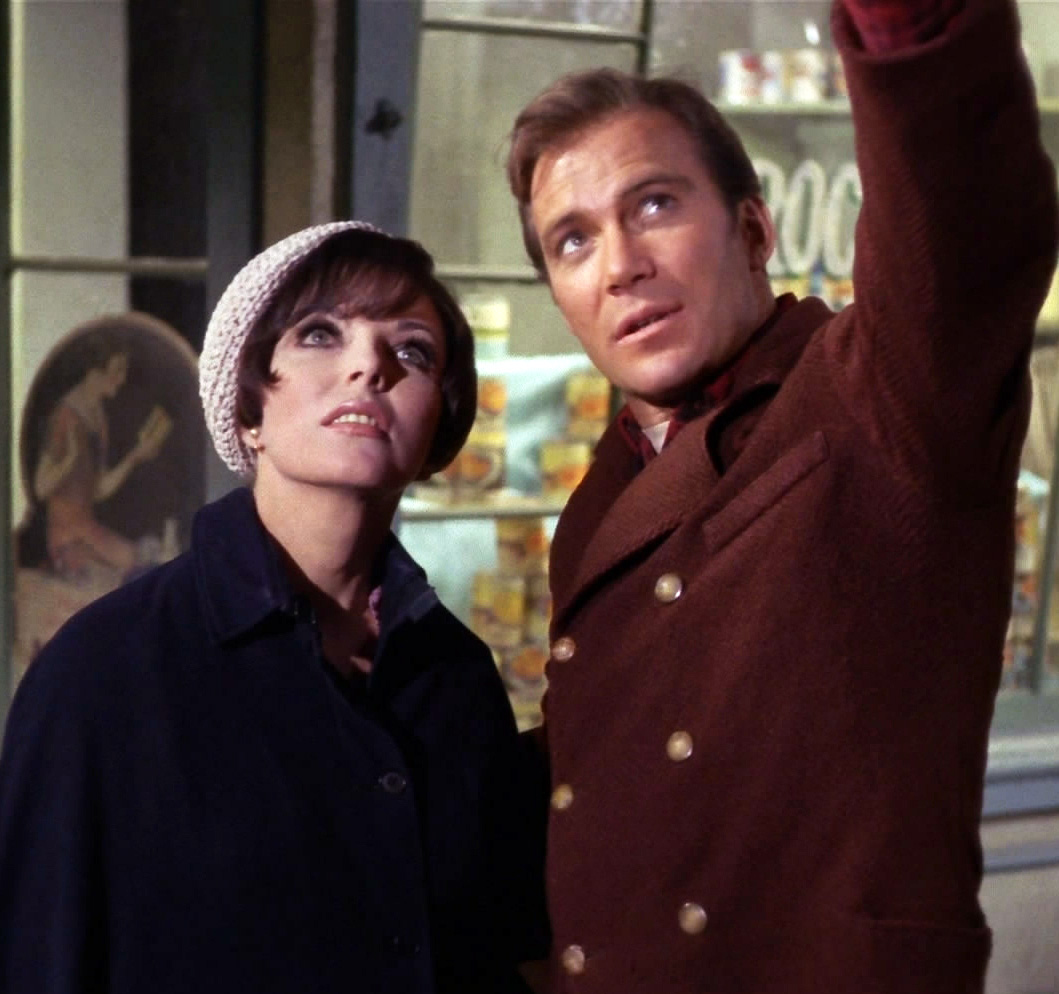
While I was listening to Pandora on my computer the other day at work, The Scofflaws' "William Shatner" came on--a song that I'd almost completely forgotten about. If you're familiar with it, you know that it's a mega-campy tune, but all of the choice references in the lyrics make it clear that it was written by someone (Buford O'Sullivan) with more than a passing acquaintance with--and genuine affection for--the original Star Trek series from the 1960s:
He's got a fine tan shirt with an emblem on the chest
The interstellar girls all like him the best
Captain of the crew and he knows kung fu
and he did Joan Collins in 1932 [refers to "City on the Edge of Forever"]

Really just an actor, and a genius to boot
He never gets fire when the enemy shoots
So he ends each show looking neat and clean
After staring down the mouth of the Doomsday Machine [refers to "The Doomsday Machine," duh]

I really like the one where he reads the Constitution
After ending all the fighting in the future revolution [refers to "The Omega Glory"]

William Shatner!
William Shatner!
William Shatner!
William Shatner!

Scotty...we...need...more...power!

I am Kirok! [refers to "The Paradise Syndrome"]
And you gotta love how his trombone solo (from the track on the album) starts out sounding like the "red alert" alarm!

The video clip below is from a Scofflaws' show from 1997 at Wetlands; you can catch part of "William Shatner" at around the 7:34 mark...


Several months after The Scofflaws' Ska in Hi-Fi was released in 1995, I heard a rumor that someone in the band had actually run into the Shat in an airport, told him about the song, and later sent him a copy of the CD, which he supposedly liked. I never confirmed it with anyone in the band at the time--probably because it was too good of a tale to debunk.

And many people have also noted that, in his prime, Bucket of The Toasters reminded them of Shatner (and while we are on the topic of ska musicians who look like superstars, Mike Drance of The Bluebeats looks a lot like a 70s era John Lennon).

+ + + +

Like Buford, I have to admit that I'm a big fan of the original 1960s Star Trek series (though not a dress-up in a costume and attend conventions kind of way). My mom half-jokingly blames my dad for all this--I was a baby when Star Trek first aired and she claims that my dad would always prop me up on his lap to watch it. (It must have been surreal to watch this idealized version of the future in the late 60s, as the Vietnam War and the struggle for Civil Rights were dividing Americans and literally tearing American society apart; check out Rick Pearlstein's extraordinary Nixonland to see just how bad things were--racism and violence and injustice much worse than I have ever imagined, with Nixon at the center, manipulating Americans' hatred and fear for his own political ends).

Then, when I was a kid during the 70s, the show was in endless syndication on Channel 11 in New York, but what made it a smash sensation with all my friends when I was in third and fourth grades was when the animated version of Star Trek was shown on Saturday mornings (on CBS?). We actually played Star Trek during recess in the schoolyard (I was Scotty). I bought and built several AMT plastic model kits of the phasers, communicators, and tricorders, and remember using them as we ran around at one of my birthday parties. (The photo above is of me as Spock for Halloween, probably in 1972.)

In high school, on Saturday nights a PBS affiliate in Scranton, PA that our cable system carried would run three commercial-free Star Trek episodes back-to-back from midnight to 3:00 am. If we had nothing better to do, which was more often than not, my friends and I would hang out and watch them, trying to be the first to guess the title of the episode from the scene before the opening credits. Things were...uh...kind of slow in Yonkers.

About a year ago, I discovered that Paramount had re-mastered the original tapes of the show and replaced the primitive 1960s special effects shots of the Enterprise in space with computer-generated images (the results are pretty amazing, and make the series a lot more palatable to contemporary viewers used to state-of-the-art digital effects). So, I've been taping the episodes (on Channel 11 from 1:00 am to 2:00 am on Sundays) and watching them when I have trouble sleeping at night...

+ + + +

Speaking of internet radio, Pandora and other similar sites recently came to an agreement with SoundExchange (the nonprofit organization that collects and distributes digital royalties on behalf of artists and labels) regarding paying royalty rates for streaming songs (check out the New York Times article, as well as this piece in Ars Technica).

This is especially good news for lesser-known acts and indie labels, as they are now better positioned to earn some income from people simply listening to their music on the web (even if they're not actually intending ever to buy their CD or digital track).

Tuesday, February 24, 2009

Duff Thoughts: File Sharing Killed the Record Store

Popmatters' has an interesting article on how "Brick-and-Mortar Record Stores Are Trying to Get Their Groove Back," as they are being battered by the recession-depression-whatever you want to call it and continue to be shunned by a generation of kids (and ethically-challenged adults) who believe they're entitled to music (or movies) for free via illegal file sharing.

The drop in CD sales, which has been bemoaned since the rise of Napster in the late 90s, still has the power to shock when you look at the numbers:
"The music business is in a free fall. Sales of new albums have dropped more than 45 percent the last eight years. In 2000 consumers in the United States bought 785 million albums. In 2008 they bought 428 million.

In 2000 the 10 best-selling albums sold 60 million units. In 2008 that figure was 18.8 million."
Hmm...people still like music and everybody in the Western world seems to be walking around with an iPod. Have they simply stopped buying and listening to new music? Of course not, a few people buy the CDs and put them up on the file sharing sites for hundreds of thousands, if not millions, of other people to download for free.

(Perhaps we could somehow make it a patriotic duty for people to stop their habit of illegal file sharing and actually buy CDs again, so CD pressing plants, distributors, music publicists, and record stores, etc. could expand their payrolls and hire more people--kind of like a pop culture stimulus plan? Whaddaya think, President Obama?)

There is one tiny spot of sunshine in this music industry death watch:
"According to Nielsen SoundScan, sales of vinyl records nearly doubled nationwide in 2008, from just less than 1 million in 2007 to almost 1.9 million. More vinyl records were sold last year than in any year since SoundScan started tracking music sales in 1991.

That 1.9 million represents less than half of 1 percent of all the albums sold in 2008, but these days any upward trend in sales is going to be noticed and explored by both labels and record stores."
In the last two years, I've probably bought more vinyl than in the previous eight--largely because there is more of it being released, plus I'm from a generation of music fans that actually grew up with records (and cassettes!). Whatever the reasons are behind this micro-trend, I hope it continues and helps to save indie labels and mom-and-pop record stores from oblivion.

+ + + +

Here is another interesting piece about the resurgence of vinyl and its impact on NYC record stores from AM New York.

Wednesday, January 14, 2009

Duff Thoughts: Memory Train


This past fall, my parents were kind enough to give me their old car, which bizarrely enough, has a cassette deck, even though it came off the factory line in 2002. Unfortunately, dad didn't warn me that the deck wasn't working that well--I discovered that as I was speeding down the Deegan toward Manhattan and it ate my NYC Ska Live cassette. I shredded the tape trying to get it out. Luckily, I have an LP copy of this compilation, so I still have the music and all, but I was bummed nonetheless. My immediate thought was that there aren't too many cassette copies of this floating out there anymore (sure enough, a search on eBay and GEMM didn't turn anything up--no NYC Ska Live LPs or cassettes, nada).

It also reminded me how earlier in the summer, when I was moving around some of the stuff I have in storage in my parents' basement, I opened one of the big Rubbermaid trunks where I had been keeping a ton of old ska t-shirts dating back to the late 80s, Moon posters, and posters that Buck brought back from touring in Europe and points beyond--and found almost everything wet and moldy (their basement had flooded a year earlier, but not high enough to leak into the seam where the lid connects to the bin...so I'm not exactly sure how the water found its way in). It was all trashed. I was heartbroken.

Most of this stuff can never be replaced.

Now, I don't consider myself to be a ska collector (I'm not obsessive enough, and don't have the time or enough disposable income--or even space--to do so), but what I have I treasure. I don't hold on to all of this stuff because I hope to sell it one day for a killing on eBay (if that were even possible!), but because each LP and patch and sticker and button that I have means something to me.

Here's sad part--the true geek in me: I imagine that someday, someone will desperately want it all to be part of a larger scholarly collection of ska and reggae (a version of the ARChive of Contemporary Music, where one of the ex-Skavoovie band members has been a music archivist). I can trace the seed of this desire back to around 1997, when a librarian at the New York Performing Arts Library at Lincoln Center got in touch with me at Moon, because they were putting on a small exhibit featuring graphic design in punk and ska (or something like that). So I sent over a bunch of posters, t-shirts, etc. that were displayed in the library (and I had been regularly sending him promo CDs, which became part of the general New York Public Library collection--some of them are still in circulation and I've run across them in the stacks). Plus, I've always been a sucker for sociology and cultural studies--particularly what the products of pop and subculture reveal about us as a people. The meaning behind the sound and vision.

There's nothing profound in this here post--sorry. I'm getting older. Change is constant. Things that hold meaning for me won't last forever. Pop culture is especially ephemeral (CDs crack; LPs warp and melt; bands break up; labels go under; fanzines disintegrate; digital files are mistakenly deleted or are stored on something that becomes obsolete; fans move on; people die).

But I like to think that it all will still continue to matter.

Monday, November 10, 2008

America Goes 2-Tone!

Seeing President-elect Barack Obama and his family on stage in Chicago on election night as they embraced Vice-President-elect Joe Biden and his family was such an extraordinarily powerful image, as was the wonderfully multiracial crown in Grant Park--images that are not seen nearly enough in the media and pop culture in the United States.

And it reminded me of the daring symbolism of so many of the 2-Tone era bands (particularly The Specials, The Beat, The Selecter), who promoted tolerance and racial harmony/unity simply by hitting the stage and playing music together, during a time in the UK when the National Front was on the rise and violent attacks on non-whites (Brits and immigrants alike) were commonplace. We've come a long way since 1979, but I still remember reading an interview Bucket did in the late 90s talking about how it was still a strong and provocative statement for the multiracial Toasters to perform in certain parts of the USA...

In high school, I caught onto ska music just after 2-Tone collapsed, as the surviving bands were expanding their sound (see The English Beat's Special Beat Service and the Special AKA's "Free Nelson Mandela") and I worked my way back to the proper 2-Tone albums, as well as some vintage ska from The Skatalites and Prince Buster. The music drew me in immediately, but the image of these integrated bands (including UB40, whom I saw live many times) influenced me enormously, too (particularly, since most of the British New Wave acts I was into were lily white). Growing up, my parents had taught me the evils of racism (they had been actively involved in the Civil Rights movement in the 60s), so it wasn't like I needed this lesson, but it was cool to have these values that I strongly believed in reinforced and celebrated in the pop culture I happily consumed every day.

I've heard a lot of pundits opine that Obama "transcends race," as if white Americans who support him are oblivous to race. (The subtext is that the only way white folks could vote for Obama is by denying his ethnicity completely--that, or he somehow tricked us with all his fancy words and smooth talk!) C'mon! Obama is a BLACK American and he is embraced by his fellow Americans (white, black, brown, etc.) for the totality of who he is--the content of his character, the depth of his intellect, as well as the color of his skin. We know he is black and we're okay with that. Obama is different from some of us, but we're not afraid of "the other one" as McCain so demeaningly referred to Obama in one of the debates. Diversity doesn't scare us because we know better: we're a stronger, smarter, and healthier nation for it.

One of the overt goals of 2-Tone was to normalize racial integration--black and white people making music together was no big thang, so we all should be able to live, work, and play together! And a lot of us got the message and incorporated it into our lives. Now, with the election of Barack Obama, my kids and generations of kids to follow, will find it perfectly normal for a black man to be the President of the United States (and will see him on TV, hear about him from their parents, and read about him in newspapers, magazines, blogs, and in their history books)--an extraordinary development for a country founded on the principals of freedom and equality (We hold these truths to be self-evident, that all men are created equal, that they are endowed by their Creator with certain unalienable Rights, that among these are Life, Liberty and the pursuit of Happiness...), so long retarded in its evolution by its long and ugly history of slavery, institutionalized racism, and pigheaded ignorance. Obama will serve as our kids' 2-Tone image and message (hey, he's literally 2-Tone!), one that's very much overdue.

Our society has finally caught up with our ideals (okay, we're not perfect yet, but we're working on it). I've never been prouder of my country or happier to be an American.

Monday, September 29, 2008

The Only Limits We Set (What Can We Get Away With?)

Call me old-fashioned, but I fondly remember a time when people paid bands for the music they made. All in all, it was a pretty reasonable deal. Musicians wrote a bunch a songs; went into a recording studio, put it all down on tape, and the tracks were then mixed and mastered and printed onto LPs, cassettes, and CDs by record companies--who then made sure that these recordings found their way into record stores and were reviewed in magazines, played on the radio and/or music video shows; and often supported the band as they toured in support of the recording. The fan would hear the song/see the video/go to the show and then head off to the record store to purchase a copy of the LP, cassette, or CD for their own personal enjoyment. And some musicians could actually make an okay, even decent, living off of being a musician.

Sure there were problems with this arrangement. For example, CDs were way overpriced (considering they cost only a few dollars to manufacture--much less if you are printing them in massive quantities); some labels hacked away at their artists' royalties by nickeling and diming them to death; indie bands and labels had great difficulty getting their releases distributed; and forget getting your record played on commercial radio without some form of payola. The list of legitimate gripes was long and sordid. I should know, I was part of the music industry for a decade and saw the good, the bad, and the ugly. (For the record, Moon should be filed under 'good.')

But when you distilled it all down to its essence, music fans paid bands to own a recorded copy of their music.

[Yes, back in the day, some people would make a couple of cassette or CD copies of an album for their friends--copyright law actually makes allowances for you to make a few copies of an album you've bought to give, not sell, to your buds--but nowadays any idiot can rip a CD and put a perfect digital copy on the web for potentially millions of strangers to download without any of them paying a penny to the band/label. This is very different from making a copy just for your friend and it is illegal.]

After all, one of the cornerstones of a capitalistic society like ours is that whenever someone creates something unique to sell in the marketplace, he or she is protected by a copyright that gives them ownership and complete control of their creation. This allows them to license or manufacture and sell authorized copies of their original idea--and go after those who create pirated or bootleg versions of something they own.

So, what changed this basic equation? The brave new world of the internet didn't void all copyright laws--it just made it easier to cheat the musician (and in many cases, their record label--well, what's left of them) out of the money that they're due. It's that simple.

Whenever someone rips a CD and uploads it on the internet via some file sharing site like Rapidshare (making it possible for thousands, hundreds of thousands, or potentially millions of people anywhere in the world, to download a copy of an album for free), he/she is a) violating the band's copyright and, b) denying them income that could help them continue to function as musicians and produce more music that he/she supposedly likes and wants.

I could go on about how musicians have bills to pay like the rest of us (you know, rent, food, gas, health insurance--the basics) and how music file sharing can be particularly devastating for bands involved with small, underground music scenes, like ska's, which have limited numbers of potential album buyers to begin with, but you get the gist of my argument.

So don't be an ass. Do the right thing (legally, ethically, and morally) and buy a band's album from iTunes or their CD from their website or head to your local indie record store and maybe even accidentally come across some other albums that you didn't even know you wanted...

Thursday, August 7, 2008

I'm Livin' in the Eighties

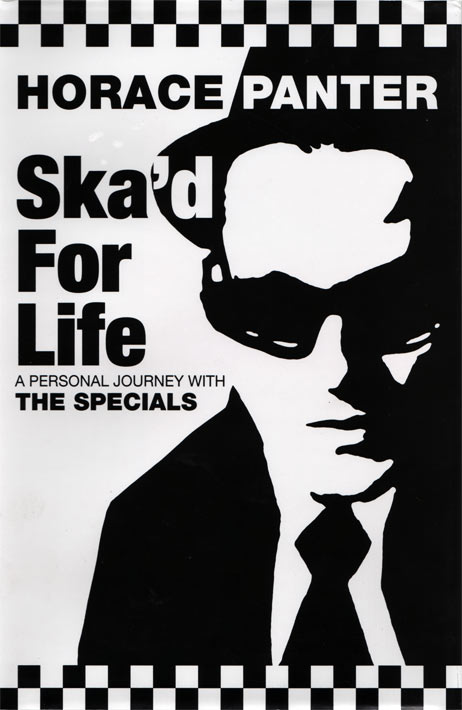
I've seen Horace Panter's Ska'd for Life in a few bookstores, but never picked it up--figured it might not be worth my time (such a cheesy, tired pun of a title). However, this review on the PopMatters website (you might be interested to know that they sometimes review ska and reggae) has changed my mind.

I always love a good rock star autobiography (see Andy Summers' surprisingly well-written and compelling One Train Later).


* * * * * * * * * *


Speaking of The Police, my brother's wife is a huge fan (she's seen them several times on their farewell tour--and is going to their last show ever at MSG). She happened to be in town from the Bay Area and wanted to catch them at Jones Beach--so I tagged along (I'll admit to being a big fan back when I was in high school--but I never got around to seeing them during the Ghost in the Machine or Synchronicity tours). I was very much prepared to scoff at Sting (I always thought he was so obnoxiously full of himself--talented, yes, but a bit of a bastard). I'm pleasantly surprised to report that they were really good--and were working hard to put on a terrific show (this was no phoned in victory lap by aging superstars). Sting even looked like he was having the time of his life on stage. And they didn't just play their hits, we heard album cuts like Voices Inside My Head, Demolition Man, Can't Stand Losing You, When the World is Running Down You Make the Best of What's Still Around, and Next to You.
The only clunker in their set was their reworking of Don't Stand So Close to Me (the terrible version they recorded in 1986). It took all of the menace out of the song. (The other downer was that you couldn't buy a beer--a freakin' beer on the beach at a concert!--unless you were a member of the venue's VIP Club! What the hell is going on out there on Long Island? I guess that's why so many joints were lit up all around us during the set and there were so many tailgaters in the parking lot...)

Back to The Specials for a moment--the giant video screen over the stage displayed their Ghost Town video before The Police came onstage. Nice choice.

Missed much of Elvis Costello's opening act, though we heard him singing Alison with Sting and then saw him perform Nick Lowe's What's So Funny 'Bout Peace, Love, and Understanding?, which sounded wonderfully and fiercely bitter. Though it just didn't seem like the right venue for him--giant, open air amphitheatre on the beach--his intensity, intelligence and anger comes across better in a dark, claustrophobic space...